

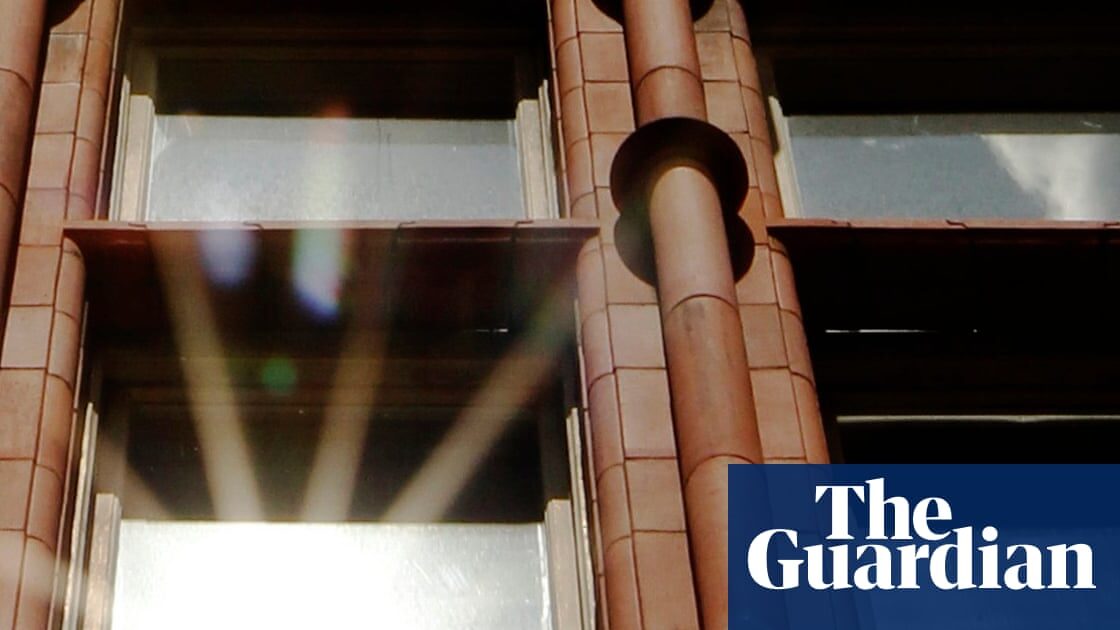
Architectural glass designed to improve energy efficiency may carry an unexpected risk of fire. Low-emissivity (low-E) windows, a staple in sustainable building design, have been found to reflect concentrated solar radiation under specific conditions.
The Mechanics of Low-E Glazing
These windows are treated with microscopic metallic coatings to manage thermal transfer. The technology allows visible light to pass while reflecting infrared radiation. This effectively keeps interiors warm during winter months and blocks heat in the summer, significantly reducing energy costs for property owners.
However, safety experts warn that the reflective properties can become hazardous when installed on curved surfaces. In these rare instances, the glass can function similarly to a magnifying lens. The focused sunlight has the potential to ignite adjacent materials, posing a threat to neighboring buildings.
Source: The Guardian