

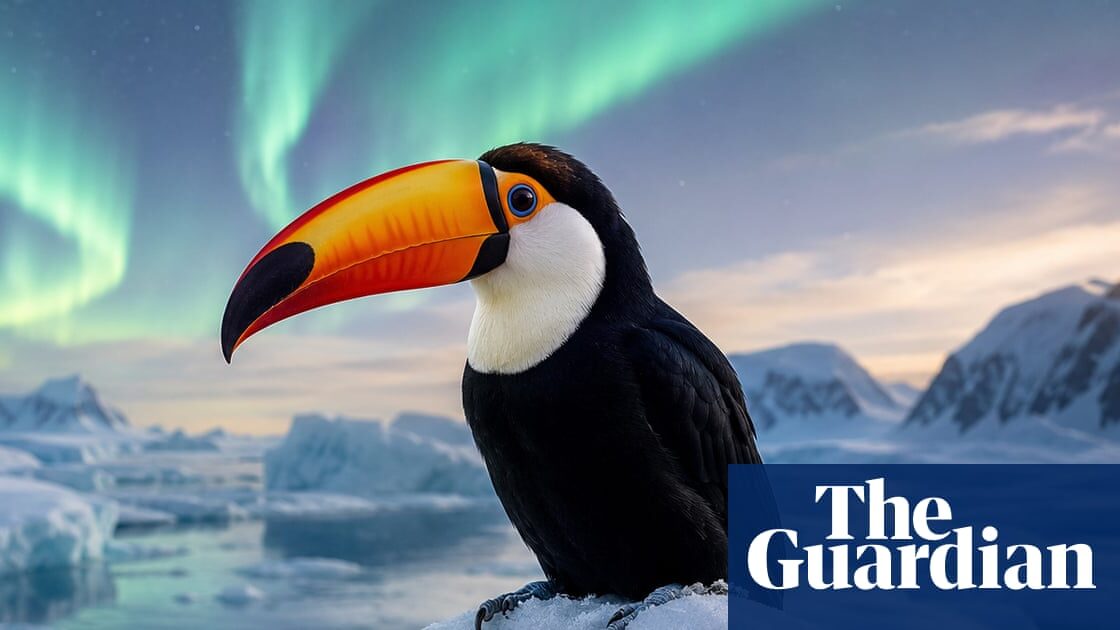
The ornithology community is facing a new challenge as artificial intelligence tools make it increasingly easy to manipulate wildlife photographs. Experts warn that the proliferation of these enhanced or fabricated images on popular birdwatching platforms is generating false sighting records. This trend poses a significant threat to the reliability of data collected by citizen scientists, which researchers frequently rely upon to track avian migration patterns and biodiversity.
A Question of Authenticity
For dedicated birders, documenting a species outside its typical habitat is a highly coveted achievement. While these rarities often generate excitement within the community and attract media attention, the credibility of such reports is now under scrutiny. The ability to subtly alter images using AI technology means that distinguishing between genuine discoveries and digital fabrications is becoming a difficult task for moderators and researchers alike.
Scientists utilize these online platforms as valuable research instruments, treating user-submitted data as a reflection of real-world environmental conditions. Consequently, the insertion of AI-generated “slop”—content that is visually plausible but factually incorrect—risks polluting scientific datasets. Maintaining the strict verification of visual evidence is becoming essential to ensure that the utility of these crowdsourced tools is not permanently undermined.
Source: The Guardian